Ecosystem
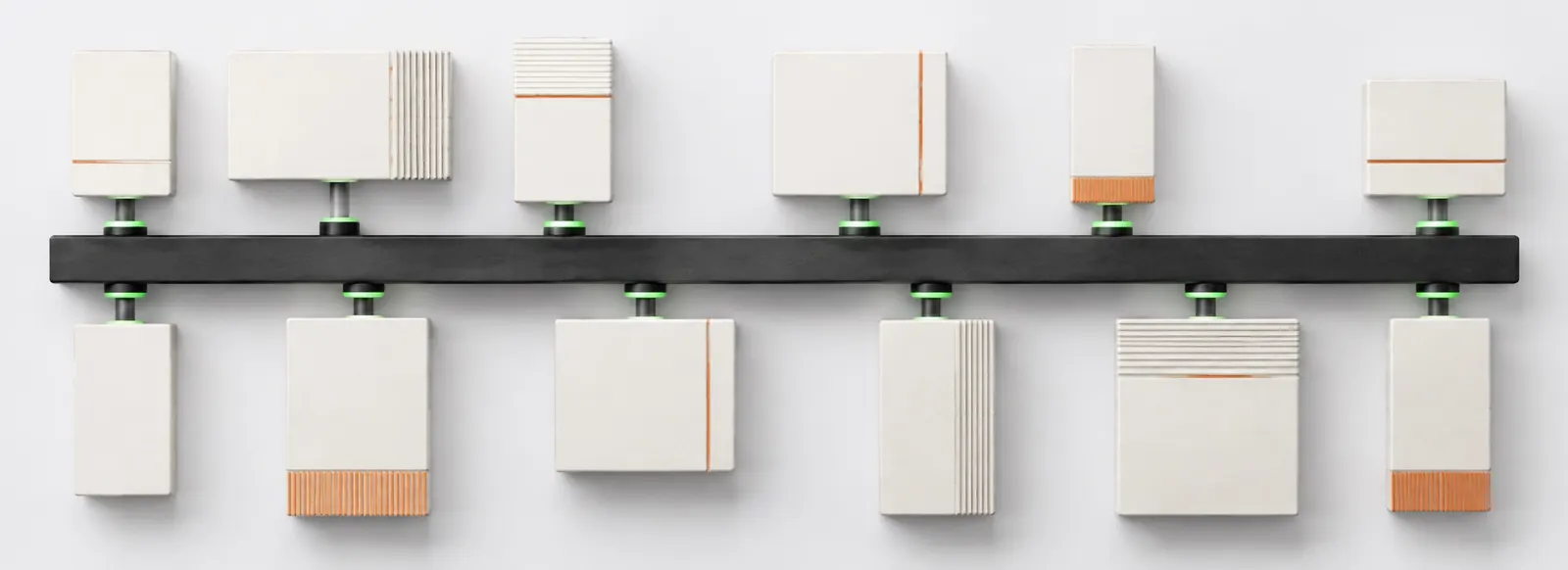
The Calendar is not another app next to the products, it is a layer beneath them. Here is where the boundary of responsibility runs and what follows from it.
Where the boundary runs
The source product owns the fact
What kind of leave this is, whose hearing that is, for which case and on what grounds. The product creates the fact, changes it and answers for its meaning.
The Calendar owns the schedule
When it happens, whether it repeats, which zone it started in, who takes part and who to remind. Products do not write this logic themselves.
That is why a product event is not edited in the Calendar grid: there is one path to an edit, a link back to the product card. Otherwise the projection would drift from the source of truth.
Products in the integration registry
The registry stores registered products and the permissions granted to them. A product key authorizes writing events, its permissions limit it.
- A3.HRLeave, shift plans, appraisals and probation periods
- A3.LawyerCourt hearings, procedural deadlines and case reminders
- A3.MeetVideo meetings and room links in both directions
- A3.SalesCalls, client meetings and deal deadlines
- A3.DocumentsApproval and signing deadlines
- A3.InsuranceDates on insurance contracts
- A3.TrustScheduled re-checks and verdict validity dates
- A3.FinancePayment dates and reporting periods
- A3.AccountingStatutory reporting deadlines
- A3.MailInvitations and letters to participants
- A3.DriveMeeting files: event attachments are stored in A3.Drive
Two directions with A3.Meet
The initiative to create a room can come from either side, so the directions are independent.
From A3.Meet into the Calendar
A3.Meet writes the event through the contract and fills in the room link right away. The Calendar shows the meeting together with the rest of the schedule.
From the Calendar into A3.Meet
A person creates an event with a video flag, the Calendar calls A3.Meet to provision a room and saves the resulting link on the same event.
Integrations with external video services and parsing mail for bookings are out of scope: the Calendar has no access to personal mail outside A3.Mail and will not get one.
What is taken from the suite rather than written again
Works together with
- A3.MeetA meeting marked as a video call gets an A3.Meet room at once, and the room link is stored in the event itself.
- A3.DriveMeeting files are attached from A3.Drive and open from the event card for every attendee.
- A3.HRLeave and work schedules from HR reach the employee schedule and are taken into account when a meeting time is searched.
Connect your product
Registering a product, granting a scope and making the first event write call are described in the contract documentation.